
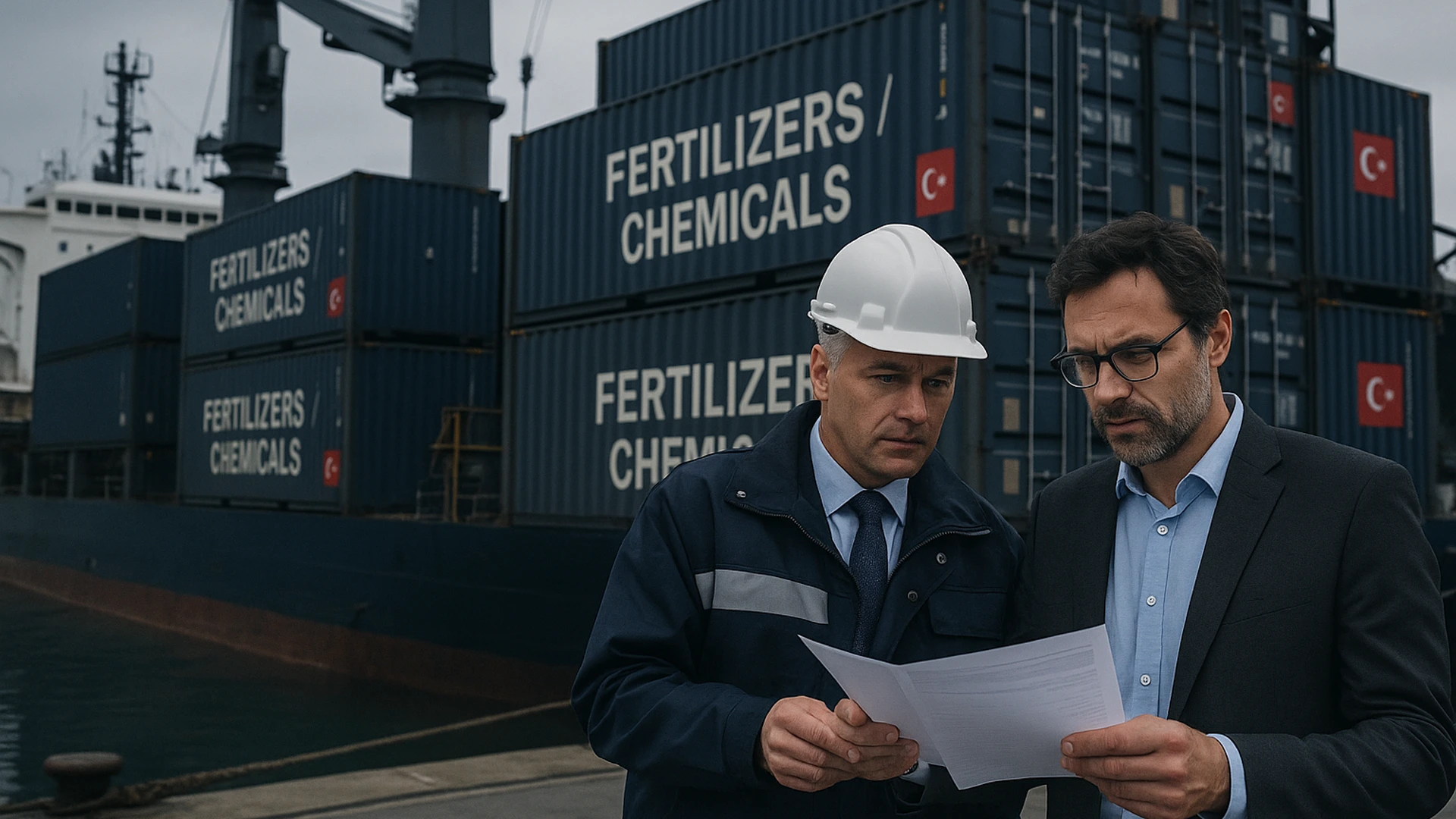
Practical guide for buyers, importers, and logistics partners handling fertilizer and chemical shipments from Turkey — reduce costs, avoid delays, and pick the right Incoterm.
Two scenarios, one decision
Scenario A (wrong Incoterm): A buyer agreed to CIF (Cost, Insurance, Freight) but assumed the seller handled inland delivery to the buyer’s warehouse. When the cargo arrived, the port charges, customs clearance fees, and last‑mile trucking doubled the buyer’s landed cost because responsibilities were mismatched.
Scenario B (right Incoterm): The same trade structured as DAP (Delivered at Place) with clear responsibilities and a documented customs handover plan — costs were transparent, the carrier and customs broker were pre‑arranged, and the shipment cleared on time.
Choosing the right Incoterm and preparing the correct documentation can be the difference between a smooth delivery and a costly delay.
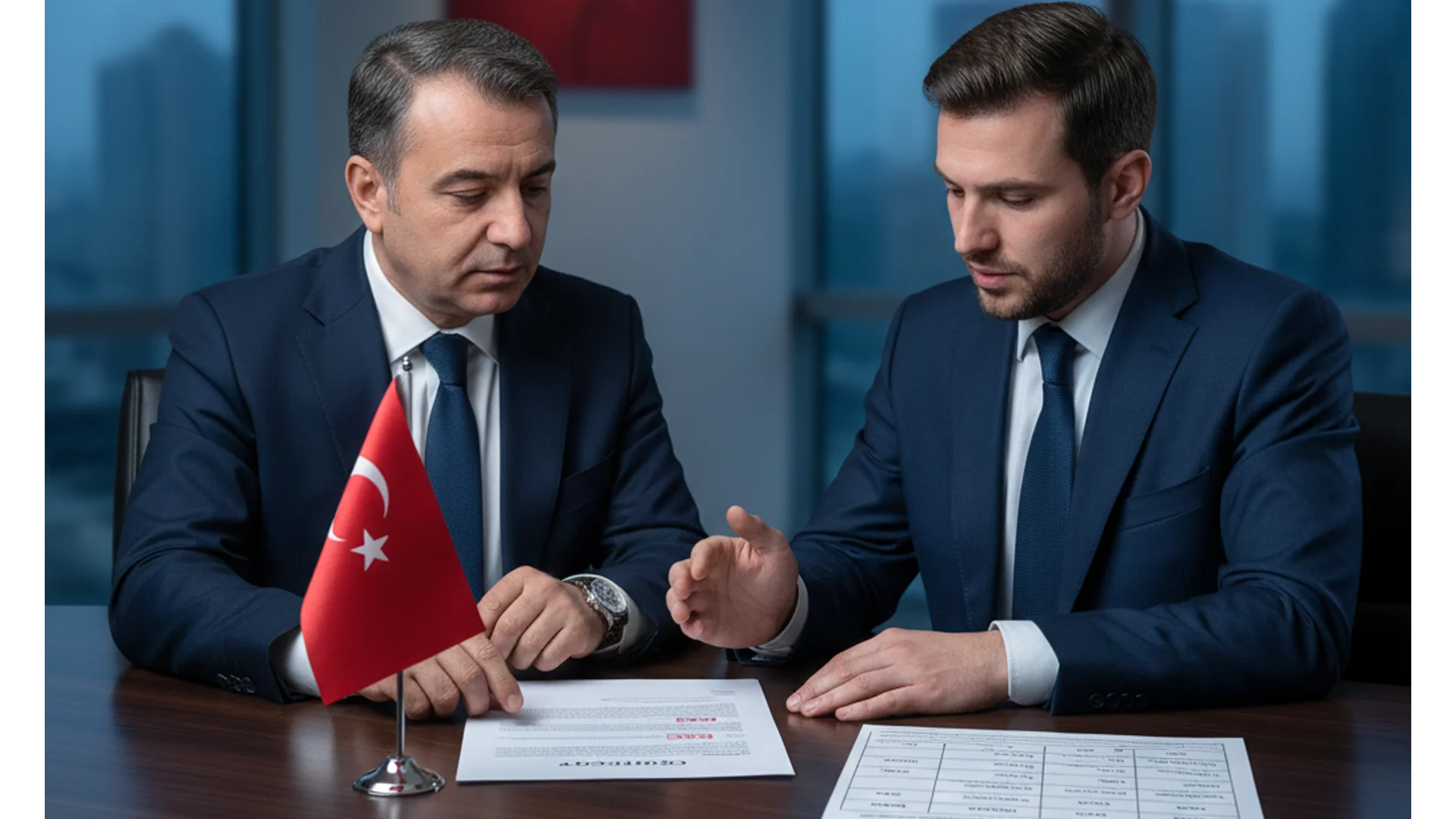
documentation is the backbone of smooth shipments
- Fertilizers and many agrochemicals are subject to specific import rules: phytosanitary checks, composition analysis, and sometimes hazardous‑goods controls.
- The right paperwork speeds customs clearance, reduces inspection triggers, and lowers the chance of detention or re‑export.
- This guide focuses on practical, action‑oriented steps for buyers and logistics teams to get shipments moving fast and legally.
Choosing Incoterms: buyer vs seller responsibilities (practical examples)
- EXW (Ex Works): Seller makes goods available at their premises. Buyer handles export clearance, inland transport, and all export formalities. Use only if buyer has strong logistics capability in Turkey.
- FCA (Free Carrier): Seller hands goods to carrier at agreed place. Seller usually handles export clearance — good for containerised shipments.
- CIF/CFR: Seller covers carriage (and insurance for CIF) to the port of destination. Buyer handles import clearance and inland delivery. Commonly misused when buyers assume more than stated responsibilities.
- DAP/DPU/DDP: Seller delivers to buyer’s place (DAP/DPU) or seller clears import and pays duties (DDP). These transfer more responsibility (and risk) to the seller.
Practical tip: Document Incoterm plus the exact named place (e.g., “DAP — Buyer Warehouse, Rotterdam”), state who arranges and pays customs broker fees, and confirm insurance scope.
Mandatory documents for fertilizers
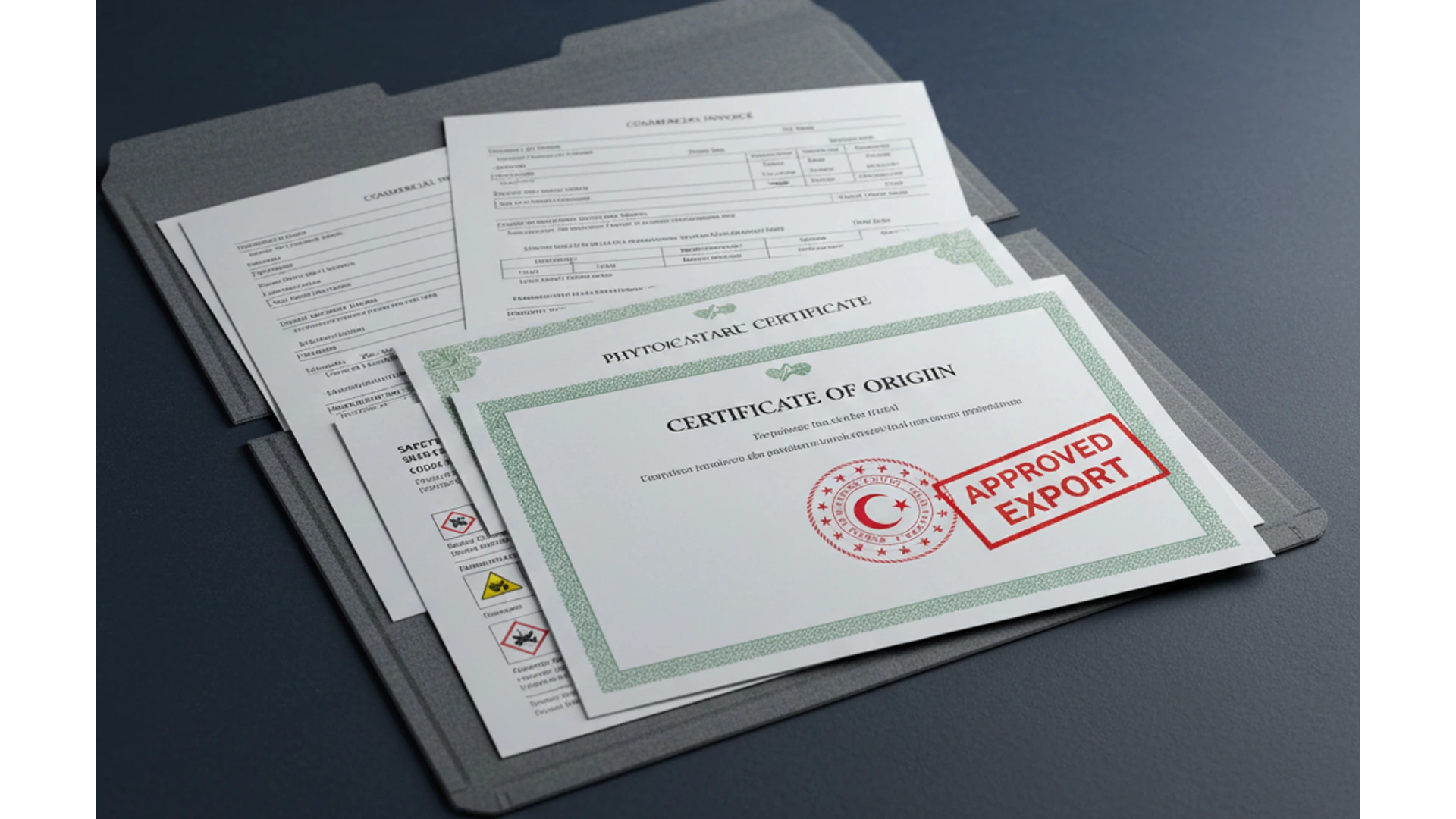
- Commercial Invoice — clear product description, HS code, quantity, unit price, Incoterm and seller/buyer details.
- Packing List — weights, gross/net, pallet count, package types and UN numbers if applicable.
- Bill of Lading / Air Waybill — must match invoice details and show Incoterm where possible.
- Safety Data Sheet (SDS/MSDS) — up‑to‑date and language requirements of the destination country.
- Certificate of Origin (COO) — often required for preferential tariffs or customs processing (issued by Chamber of Commerce).
- Phytosanitary Certificate — mandatory in many importing countries for fertilizers/agrochemical raw materials.
- Analysis / Certificate of Chemical Composition — lab report proving nutrient levels and absence of prohibited substances.
- Export License / Permits — where applicable for controlled substances.
- Insurance Certificate — if the Incoterm requires seller to insure (CIF/CIP).
Checklist action: Always cross‑check HS codes on the invoice with the product composition on the SDS and the Certificate of Analysis.
Customs clearance tips & common holds
- Pre‑advise customs: Submit manifest and invoice data ahead of arrival via the carrier or broker to trigger pre‑arrival processing.
- Sanctions & denied‑party checks: Run screening on buyers and consignees before shipment to avoid hold/detention at import.
- Phytosanitary holds: If a phytosanitary certificate is missing or mismatched, expect detention and testing; have a fast lane broker for these cases.
- Bonded warehouses: For uncertain clearance, temporarily place goods in a bonded warehouse rather than returning them.
Common hold triggers:
- Inconsistent HS codes
- Missing or expired certificates
- Mismatched product description vs SDS
- Undeclared hazardous constituents

Packaging, labeling and dangerous goods considerations
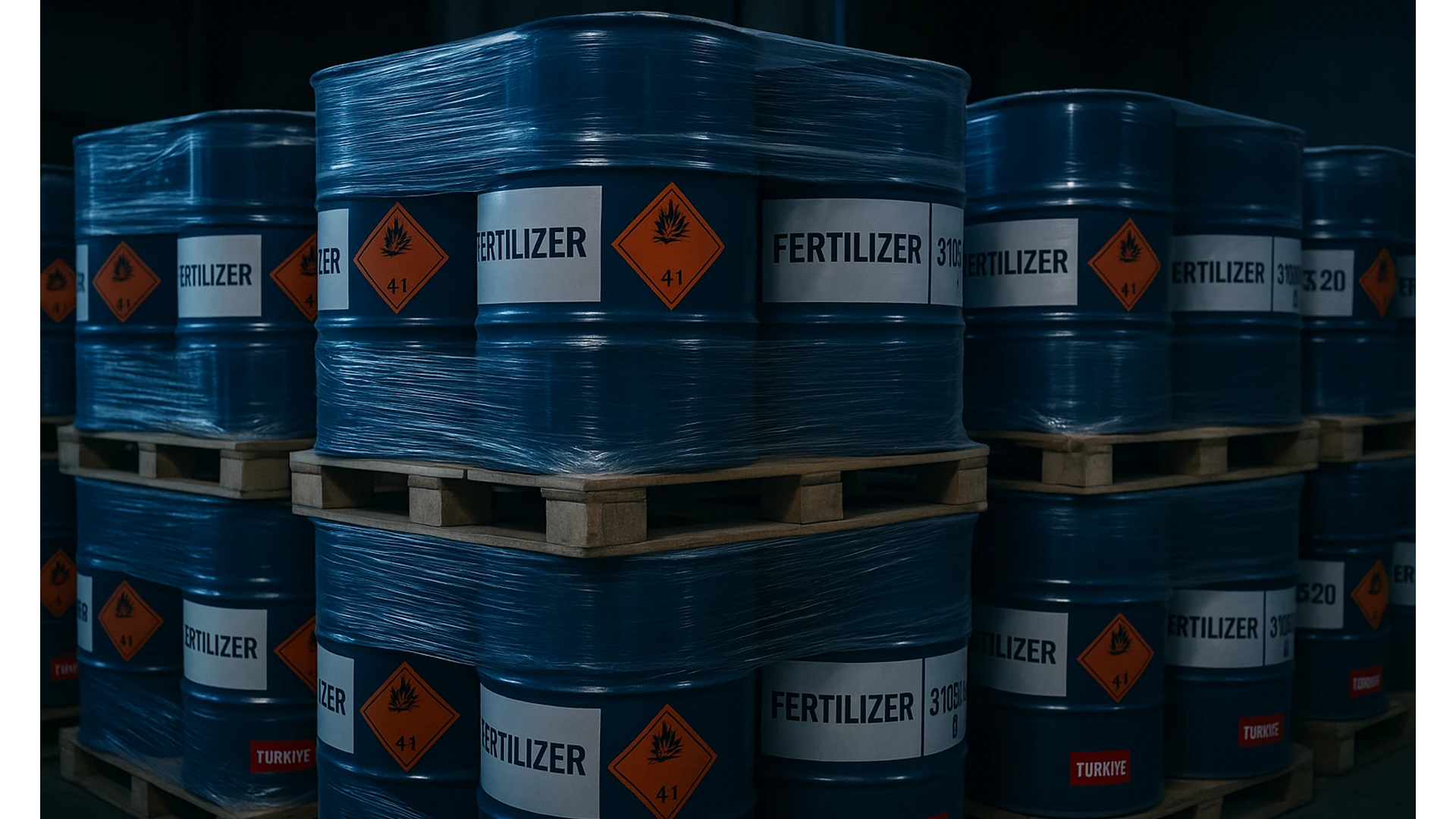
- Labeling: Include product name, HS code, batch number, net weight, manufacturer, and country of origin. For hazardous fertilizers, affix UN hazard diamonds and emergency contact numbers.
- Packaging: Use durable pallets, shrink wrap, and secure drums/totes. Consider sea/port humidity and stacking load for long voyages.
- Dangerous goods: If product is classified as dangerous under IMDG/ADR/IATA, ensure certified packaging, DG declarations, and trained handlers/carriers.
Best practice: Keep a master packing photo sheet in your pre‑shipment folder to avoid disputes about condition on arrival.
Sample shipment timeline and checklist
Sample timeline (sea freight, 40‑foot container):
- Day -14: Contract signed; Incoterm agreed; buyer confirms import requirements.
- Day -10: Seller prepares product dossier (SDS, CoA), applies for COO and phytosanitary certificate if needed.
- Day -7: Goods packed and palletised; carrier booking confirmed; export customs filing submitted.
- Day -3: Container stuffed; shipping documents prepared and forwarded to buyer/broker.
- Day 0: Vessel departure.
- Day +20–30: Vessel arrival; buyer broker files import declaration; customs release (assuming docs in order).
Common documentation-related delays
| Cause | Frequency | Typical cost impact |
|---|---|---|
| Missing phytosanitary certificate | 15% | €1,500–€8,000 (testing, storage) |
| Incorrect Incoterm understanding | 20% | Varies — can double landed cost |
| HS code mismatches | 25% | €500–€10,000 (fines, reclassification) |
| DG labeling errors | 8% | €1,000–€5,000 |
Estimates for planning purposes only.
Documentation and Incoterm choices are commercial levers. With the right paperwork and clear contractual responsibilities, buyers and sellers can avoid inspections, demurrage, and unnecessary cost. For tailored operational support and vetted logistics partners in Turkey, Contact Demiral for logistics partner recommendations — we connect you with trusted carriers, brokers and testing labs to keep your supply chain moving.