

A 20‑ton shipment of fertilizer bound for a European buyer was stopped at port because the HS code and hazard classification on the export declaration did not match the product’s Safety Data Sheet. The result: a two‑week delay, extra storage fees, and a lost contract. How could this have been prevented? This article walks through the practical checks and internal controls that stop that delay before it starts.
Why compliance matters for chemical & fertilizer trade
- Chemical and fertilizer exports are lucrative but highly regulated: they intersect customs rules, hazardous‑goods transport, and export control / sanctions regimes.
- Non‑compliance creates direct costs (fines, demurrage, lost contracts) and indirect costs (reputational damage, restricted market access).
- Practical compliance is a combination of accurate technical classification, correct paperwork, reliable logistics partners, and clear internal processes.
This article gives a commercial exporter a playbook — classification steps, required documents, common pitfalls, a reproducible workflow, and ready‑to‑use templates.

Key regulations & authorities (international + Turkish specifics)
- International frameworks & authorities:
- Incoterms (ICC) define seller/buyer responsibilities for carriage and cost allocation.
- UN Model Regulations and ADR/IMDG govern transport of dangerous goods and UN numbers.
- Export control regimes (e.g., US BIS for ECCNs) and sanctions programs (country or entity‑based) may apply depending on end‑use and destination.
- Turkey‑specific authorities and regimes:
- Turkish Ministry of Trade (Ticaret Bakanlığı) oversees export procedures and certification systems.
- Turkish Customs (Customs General Directorate) enforces tariff codes and export declarations; Turkey uses a 12‑digit national tariff coding system derived from the Harmonized System.
- Sectoral ministries (e.g., Ministry of Agriculture) may require phytosanitary, analysis or special permits for fertilizers or agrochemicals.
Classification basics: HTS, ECCN & UN numbers
- HTS / Tariff codes (HS / national):
- Purpose: customs duties, statistical reporting, and export declarations.
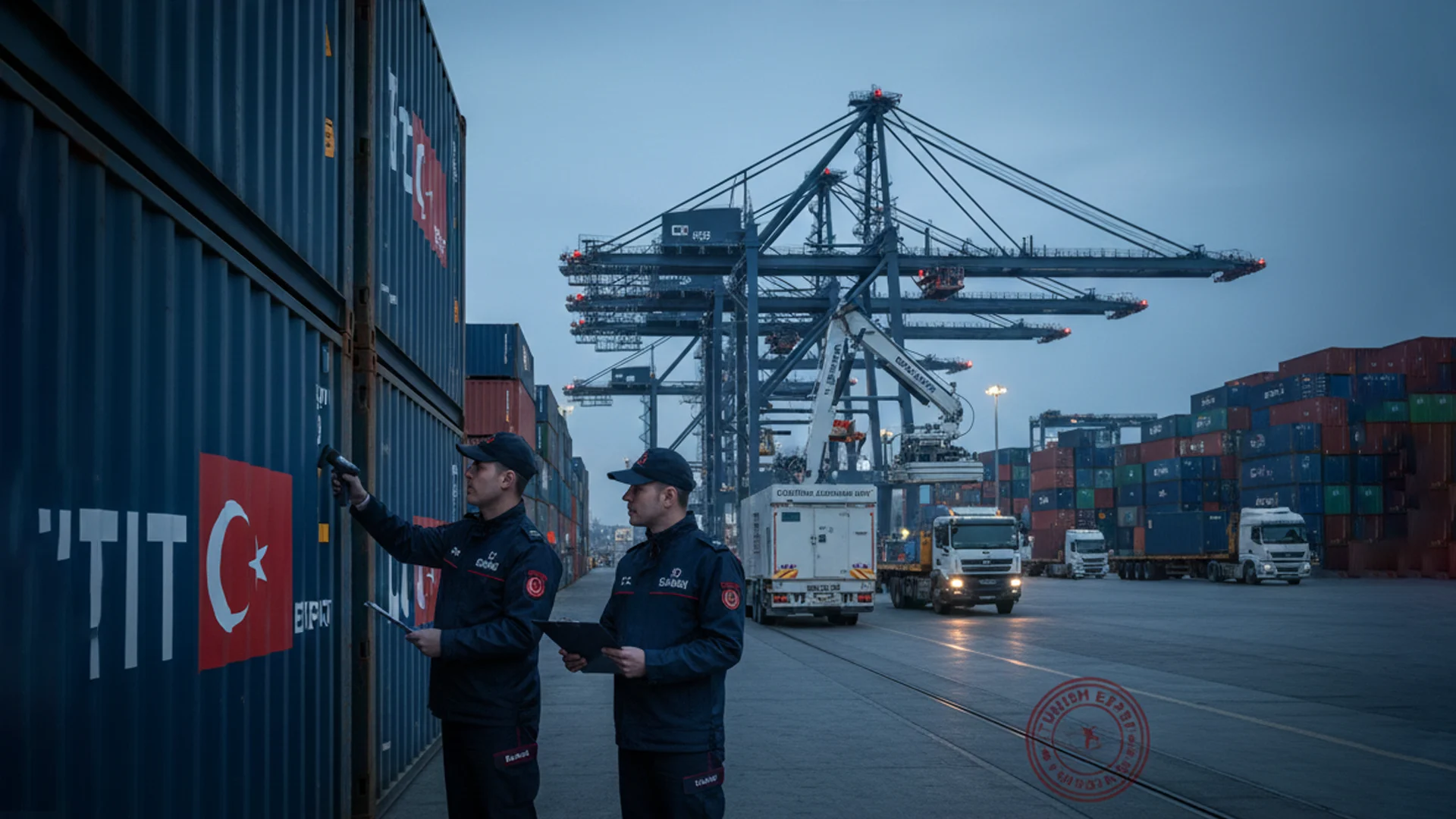
- Tip: Turkey requires a 12‑digit tariff classification in the export declaration. Self‑classify carefully or seek a binding tariff ruling for ambiguous products.
- ECCN (Export Control Classification Number):
- Purpose: identifies dual‑use items subject to export controls (U.S. Commerce Control List example: ECCN like 1A984).
- Relevance: Even when exporting from Turkey, if goods contain U.S.‑origin technology or the destination/use is controlled, ECCN and licensing requirements (from BIS or other regimes) can apply.
- UN numbers / Dangerous goods classification:
- Purpose: determine packaging, labeling, and transport rules under ADR (road), IMDG (sea), or IATA (air).
- Tip: Match UN number and class to the SDS/MSDS and update packaging/labels accordingly.
Documentation checklist (commercial invoice, packing list, MSDS/SDS, certificates)
- Core documents every chemical/fertilizer shipment should include:
- Commercial invoice with correct HS/HTS code, quantity, unit values, Incoterm and full seller/buyer details.
- Packing list with gross/net weight, packaging type, pallet counts, and UN numbers (if applicable).
- Bill of lading / Air Waybill with Incoterm stated clearly.
- Safety Data Sheet (SDS) matching the shipped product and language requirements of destination.
- Certificate of Origin (issued by Chamber of Commerce or electronic single window where applicable).
- Phytosanitary certificate or analysis reports for fertilizers (where required by destination).
- Export license or permit (if product is controlled or destination is restricted).
- Insurance certificate (CIF/CIP shipments) when required by Incoterms.
- Transport & labeling documents for dangerous goods:
- Dangerous Goods Declaration (DGD) for sea/air.
- Proper labels and placards aligned with UN number and packing group.
- Digital/administrative items:
- Customs declaration (electronic submission via Turkey’s Single Window / customs portal).
- Copies of any correspondence with regulatory authorities or license approvals.
Common pitfalls & real examples
- Mismatched SDS vs. declared HS code:
- Problem: SDS lists a hazardous ingredient that requires a UN number, but the export declaration omits it. Result: detention at port, re‑packing, fines.
- Wrong Incoterm on the invoice:
- Problem: Invoice lists CIF while sales contract and delivery were FCA — insurance gap and mismatch in responsibility for export formalities.
- Unidentified dual‑use component:
- Problem: Product includes a controlled precursor or technology (e.g., U.S. component) leading to unexpected license requirements.
- Missing phytosanitary or analysis certificates:
- Problem: Receiving country refuses the consignment; exporter bears return/detention costs.
Case study (short):
- A Turkish trader shipped industrial fertilizer with an HS code that did not flag the presence of ammonium nitrate derivatives. At destination, local regulators flagged the packaging and detained the goods pending testing. The shipment incurred a 10‑day inspection window, storage fees, and a contract penalty. The outcome: improved pre‑shipment chemical testing and an updated classification SOP.

Practical workflow for exporters (internal roles, training, audit)
- Assign roles and responsibilities:
- Product Owner / Technical Lead: maintains SDS, product specs, and classification rationale.
- Compliance Officer: assesses ECCN/dual‑use risk, sanctions screening, licenses.
- Export Operations: prepares customs declarations and coordinates carriers/forwarders.
- Quality Control / Lab: confirms composition and issues analysis reports when needed.
- Sales / Contracts: ensures Incoterms and buyer obligations are clearly written.
- Step‑by‑step pre‑shipment workflow (use as checklist):
- Product verification: confirm formula and SDS version.
- Classification: determine HTS, UN number and ECCN (if applicable). Document the decision.
- Regulatory checks: screen buyer and end‑use against sanction/denial lists.
- Documentation pack: assemble invoice, packing list, certificates, SDS, licenses.
- Transport plan: select carrier, check DG capacity, prepare DGD if needed.
- Customs filing: submit electronic export declaration via Single Window/Customs portal.
- Pre‑loading check: final sign‑off by Compliance Officer and Product Owner.
- Post‑shipment: archive documents, record lessons, and run a short post‑shipment review.
- Training & audit:
- Run quarterly training for teams (classification, SDS reading, Incoterms, sanctions screening).
- Maintain an internal audit log of classification decisions and license applications for at least 5 years.
Common causes of shipment delay
| Cause of delay | Typical impact | Mitigation (quick) |
|---|---|---|
| Classification errors (HS/UN/ECCN mismatch) | 5–14 days hold, storage fees | Use classification worksheet; get binding rulings |
| Missing certificates (phytosanitary / analysis) | Rejection at border | Pre-request certificates and verify destination rules |
| Incorrect Incoterm/invoice mismatch | Insurance gaps, claim disputes | Standardize invoice templates and cross‑check contract |
| Dangerous goods labeling errors | Carrier refusal, fines | DG check by certified packer; DGD verification |
| Sanctions/denied party hit | Immediate detention or block | Run pre‑shipment screening; request end‑use/end‑user docs |